
Consultant HVAC Marine : Expertise Technique pour la Performance des Navires
Lorsque des armateurs, des chantiers navals, des ship managers ou des opérateurs offshore recherchent un consultant HVAC marine, ils font généralement face à un enjeu critique. Le confort n’est qu’une partie de l’équation. Les systèmes CVC à bord ont un impact direct sur la sécurité, la conformité réglementaire, les performances des équipements, l’efficacité énergétique, la qualité de l’air intérieur et la fiabilité opérationnelle à long terme du navire.
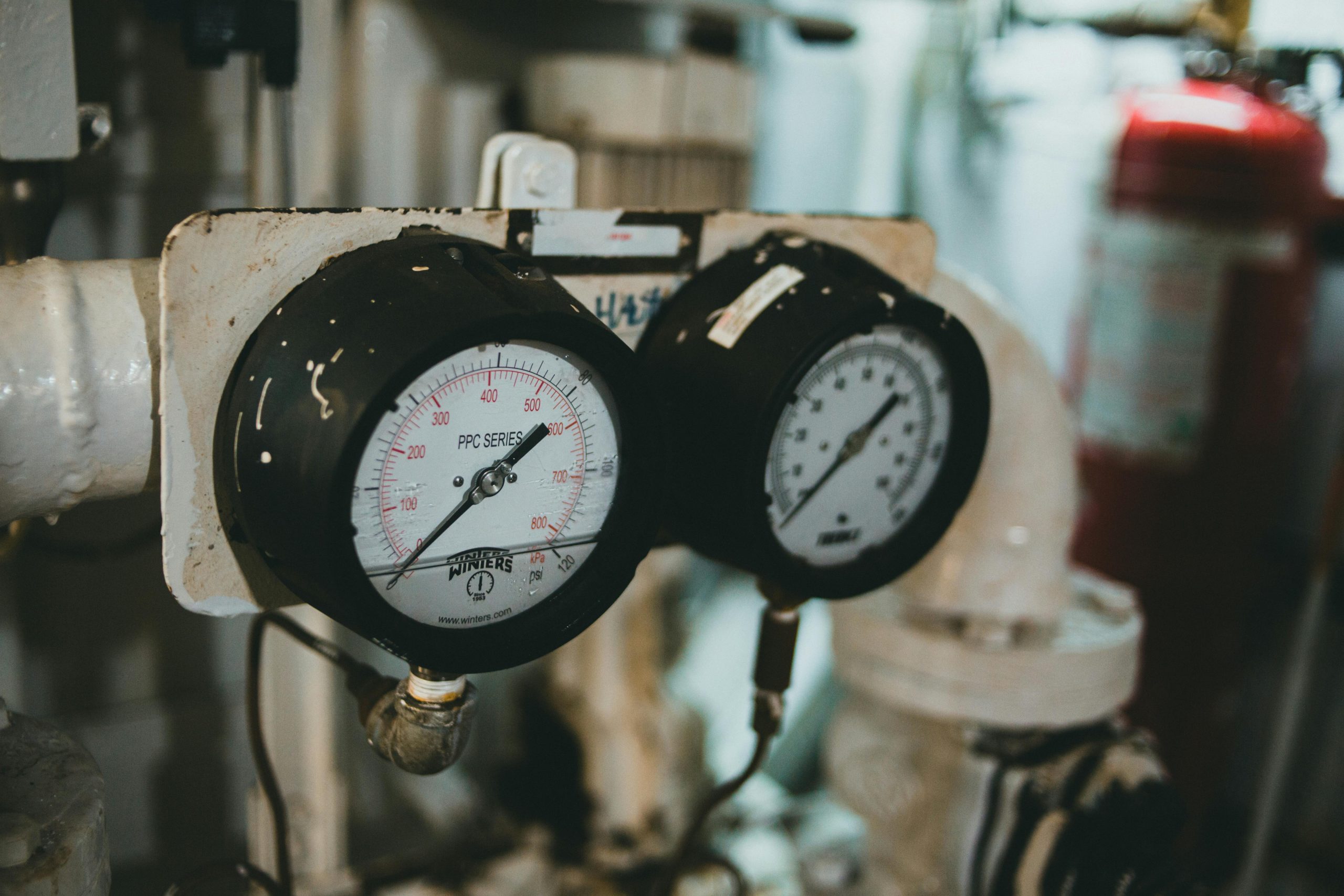
Un consultant HVAC marine conseille les armateurs, les concepteurs, les opérateurs et les constructeurs sur la conception, l’évaluation, l’optimisation ou le dépannage des systèmes de chauffage, ventilation et climatisation spécifiquement adaptés à l’environnement maritime.
Contrairement au CVC du bâtiment, le HVAC marine doit fonctionner dans des conditions plus exigeantes et plus complexes :
- Air chargé en sel et risque de corrosion
- Températures ambiantes et humidité variables
- Contraintes d’espace dans les compartiments techniques
- Exigences en matière de bruit et de vibrations
- Séparation des zones coupe-feu
- Objectifs d’efficacité énergétique
- Attentes en matière de redondance et de résilience
- Contraintes réglementaires et de classification
Un consultant HVAC marine intervient typiquement sur :
- Revue de conception HVAC pour les constructions neuves
- Stratégies de retrofit et de modernisation
- Équilibrage de la ventilation et performance des débits d’air
- Évaluation des systèmes à eau glacée et à détente directe
- Ventilation des salles des machines et des locaux techniques
- Études de confort pour les locaux d’hébergement
- Optimisation énergétique et réduction des charges
- Analyse des défaillances et investigations des causes racines
- Aide à la rédaction des cahiers des charges et appels d’offres
Un conseiller HVAC généraliste peut maîtriser la thermodynamique, les débits d’air et les charges frigorifiques. Mais un consultant HVAC marine comprend la réalité opérationnelle à bord des navires et des unités offshore.
Les projets maritimes impliquent des contraintes qui n’existent pas dans les bâtiments conventionnels. Le choix des équipements doit tenir compte des mouvements du navire, des matériaux marins homologués, des accès limités, de la compatibilité électrique et des conditions de maintenance exigeantes. Le tracé des gaines peut devenir un véritable casse-tête structurel. La distribution d’air doit fonctionner dans des cabines compactes, des espaces de service, des ponts de navigation, des salles de contrôle et des zones techniques. La gestion des pressions peut être critique pour la sécurité et le contrôle de la contamination.
C’est pourquoi le recours à un consultant spécialisé apporte une réelle valeur ajoutée. Un consultant dédié peut identifier les problèmes plus tôt, aligner la conception technique avec l’usage du navire et éviter des reprises coûteuses en cours de projet.
Plus un consultant HVAC marine intervient tôt dans un projet, mieux c’est. En phase de conception préliminaire, de petites hypothèses peuvent générer de graves problèmes en aval. Les charges frigorifiques peuvent être sous-estimées. Les chemins de ventilation peuvent entrer en conflit avec la structure ou la tuyauterie. L’atténuation acoustique peut être ignorée. L’accès pour la maintenance peut devenir impossible une fois le navire construit.
Un consultant passe en revue le concept avec un regard opérationnel, aidant les équipes à répondre aux questions clés :
- L’architecture HVAC est-elle adaptée au profil du navire ?
- Les températures de dimensionnement et les hypothèses de charge sont-elles réalistes ?
- La résilience est-elle suffisante pour les espaces critiques ?
- L’accès pour la maintenance et la stratégie de pièces de rechange sont-ils pris en compte ?
- Le système sera-t-il performant dans différentes zones climatiques ?
De nombreux opérateurs font appel à un consultant HVAC marine lorsque leurs systèmes existants commencent à perdre en performance. C’est souvent le cas sur des navires de commerce vieillissants, des yachts, des navires à passagers et des unités de support offshore.
Les déclencheurs courants d’un retrofit incluent :
- Pannes fréquentes de composants
- Mauvais confort en cabine
- Régulation thermique inégale
- Consommation énergétique élevée
- Régulation obsolète
- Problèmes liés à la transition des fluides frigorigènes
- Corrosion ou fuites persistantes
- Ventilation insuffisante dans les espaces reconvertis
Un consultant aide à prioriser ce qui doit être réparé, mis à niveau, repensé ou remplacé — réduisant les investissements inutiles et permettant une budgétisation plus intelligente.
Le coût du carburant, la pression sur les émissions et l’efficacité opérationnelle affectent désormais pratiquement tous les segments de l’industrie maritime. Un bon consultant HVAC marine ne dimensionne pas seulement les équipements pour la charge de pointe. Il examine également le comportement du système dans les conditions réelles d’exploitation.
Cela peut inclure :
- Analyse du profil de charge
- Optimisation de l’air neuf
- Opportunités de récupération de chaleur
- Stratégies d’efficacité des ventilateurs et des pompes
- Séquençage de la production frigorifique
- Options de régulation à vitesse variable
- Analyse des pertes thermiques et de l’isolation
- Amélioration de la logique de régulation
Une mauvaise efficacité HVAC peut représenter une charge permanente sur la production d’énergie à bord. Sur la durée, l’impact financier devient significatif.
Le travail d’un consultant HVAC marine varie selon la catégorie de navire et son profil de mission.
Sur les vraquiers, pétroliers et navires de support, le consultant se concentre généralement sur le confort des locaux d’hébergement, le support à la visibilité sur la passerelle, la ventilation technique et la maintenabilité robuste. La fiabilité prime sur la sophistication esthétique.
Sur les ferries et autres unités liées aux croisières, le confort des passagers, la précision du zonage, le contrôle acoustique et la qualité de l’air sont prioritaires. Les schémas d’occupation et la ventilation des espaces publics deviennent bien plus complexes.
Pour les unités privées haut de gamme, un consultant HVAC marine aborde souvent le confort acoustique, l’intégration intérieure, la maîtrise de l’humidité et la discrétion des performances. Les exigences sont élevées et les défauts d’exécution rapidement perceptibles.
Sur les plateformes offshore et les unités de support spécialisées, le HVAC est directement lié à la sécurité, à la classification des zones ATEX, à la pressurisation et au contrôle environnemental critique. La résilience des systèmes devient indispensable.
Ces projets exigent un niveau d’intégration plus élevé, une résilience opérationnelle accrue et une analyse de performance basée sur des scénarios. Les agencements compacts et les exigences environnementales spécifiques à la mission rendent le recours à un expert encore plus précieux.
Un consultant HVAC marine est souvent sollicité lorsque des symptômes apparaissent mais que la cause reste inexpliquée. Les problèmes typiques incluent :
Certaines cabines sont trop froides, d’autres trop chaudes. Les espaces communs fluctuent. Les réclamations de l’équipage augmentent. La cause peut impliquer un mauvais équilibrage, des gaines sous-dimensionnées, une instabilité de régulation, des échangeurs encrassés ou des hypothèses de charge incorrectes.
L’environnement marin génère naturellement des défis en matière d’humidité. Si la maîtrise de l’humidité est insuffisante, les opérateurs peuvent observer de la condensation sur les diffuseurs, des risques de moisissures, une corrosion accélérée et une gêne pour les occupants.
Le bruit HVAC est un problème de qualité majeur à bord. Des ventilateurs surdimensionnés, une conception de gaines inadaptée, une isolation insuffisante et des vitesses d’air trop élevées peuvent tous y contribuer.
L’air marin attaque les matériaux sans relâche. Un consultant peut passer en revue le choix des matériaux, les revêtements de protection, le drainage et les pratiques d’installation pour réduire la détérioration prématurée.
Les salles des machines, locaux électriques, compartiments batteries et salles de contrôle nécessitent une conception de ventilation rigoureuse. L’élévation de température, les taux de renouvellement d’air et l’évacuation des contaminants doivent être évalués dans leur contexte.
Tous les consultants ayant une expérience HVAC ne sont pas réellement spécialisés dans les opérations marines. Lors de la sélection d’un consultant HVAC marine, les décideurs doivent aller au-delà des certifications génériques.
Les qualités clés incluent :
- Compréhension avérée des environnements marins et offshore
- Capacité à évaluer aussi bien la conception que l’exploitation réelle
- Connaissance des contraintes de retrofit
- Excellentes compétences en rédaction technique et en reporting
- Connaissance pratique de l’intégration des équipements à bord
- Capacité à communiquer avec les chantiers, armateurs et directeurs techniques
- Vision stratégique sur les coûts, les performances et la valeur sur le cycle de vie
Un consultant ne doit pas seulement identifier les problèmes techniques. Il doit aider les parties prenantes à prendre de meilleures décisions.
Un consultant HVAC marine est souvent perçu comme un simple conseiller technique. En réalité, le meilleur travail de conseil se situe à l’intersection de l’ingénierie, de la gestion des risques, des achats et de la stratégie opérationnelle.
Un mauvais choix technique peut affecter :
- L’allocation des investissements (Capex)
- La charge de maintenance
- La dépendance aux pièces de rechange
- La satisfaction de l’équipage
- L’attractivité à l’affrètement
- Les délais de refit
- L’exposition réglementaire
- La valeur de l’actif dans le temps
« C’est là qu’une perspective de conseil plus large devient utile. RivierX apporte une posture d’expert en conseil, stratégie et intelligence économique — les sujets techniques ne sont pas traités isolément, mais comme partie intégrante d’un cadre de décision global. »
Le meilleur moment pour engager un consultant HVAC marine est avant que les problèmes ne s’enracinent dans le navire ou le projet. Les moments à plus forte valeur ajoutée sont généralement :
- Développement du concept en phase amont
- Rédaction du cahier des charges avant appel d’offres
- Jalons de revue de conception
- Avant un retrofit majeur
- Après des pannes HVAC répétées à bord
- En cours de due diligence technique
- Avant de valider des devis de remplacement à coût élevé
Attendre que le système soit déjà défaillant limite souvent les options disponibles et augmente le coût total. Une intervention précoce est presque toujours moins onéreuse qu’une correction tardive.
La valeur d’un consultant HVAC marine ne se limite pas à la correction des défauts immédiats. Le bénéfice réel réside dans la construction d’une stratégie système qui soutient la fiabilité, l’efficacité et les performances à bord sur le long terme.
Cela peut signifier :
- Un meilleur confort thermique pour l’équipage et les passagers
- Des coûts d’exploitation réduits
- Une meilleure qualité de l’air
- Moins de pannes imprévues
- Un séquençage de retrofit plus intelligent
- Une évaluation fournisseurs plus rigoureuse
- Une documentation technique plus solide
- Un meilleur alignement entre l’intention de conception et la réalité à bord
Un consultant HVAC marine compétent aide les acteurs du secteur maritime à réduire les incertitudes et à améliorer leurs décisions techniques dans l’un des environnements d’exploitation les plus exigeants au monde. Que la problématique porte sur la validation d’un concept, l’optimisation énergétique, la planification d’un retrofit ou des problèmes de performance récurrents à bord, un accompagnement spécialisé peut générer une valeur mesurable.
Pour les entreprises qui recherchent une perspective à la fois stratégique et professionnelle, RivierX se positionne comme un partenaire expert en conseil, stratégie et intelligence économique. Dans un secteur où les choix techniques ont des conséquences opérationnelles et financières, ce niveau d’analyse structurée fait la différence.
Si votre navire, votre flotte ou votre projet nécessite une orientation plus claire sur les systèmes de contrôle environnemental, travailler avec un consultant HVAC marine expérimenté peut faire la différence entre un compromis permanent et une performance durable.
Indiquez le port, le navire et l’objectif — nous vous retournons un périmètre réaliste et un devis sous 24h.